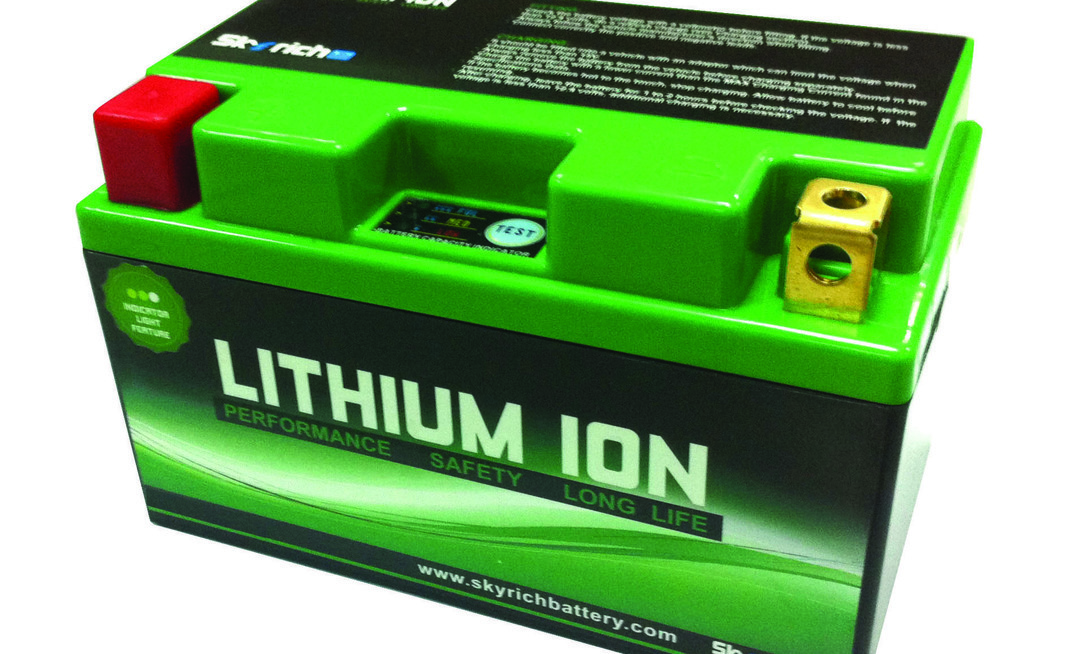


The full electrification of European-built trucks, wheel loaders, excavators and other large machines is lagging behind market expectation, with manufacturers continuing to favour the diesel electric drive.
As a result, fully integrated battery electric vehicles (BEV) from China are now penetrating Western markets, competing directly for European contracts.
"Chinese OEMs are leading the global battery-electric machinery market, fuelled by growing domestic demand for electrified machinery," Chloe Mason, a market analyst at Interact Analysis, tells GDI. "This is taking place alongside a strategic increase in exports to Europe and other markets."
Speaking to GDI ahead of the publication of its latest insight report, Mason says that while OEMs in the underground mining segment, such as Sandvik and Epiroc, are "going fully battery electric straight away," others still favour diesel electric.
YOU MIGHT ALSO LIKE
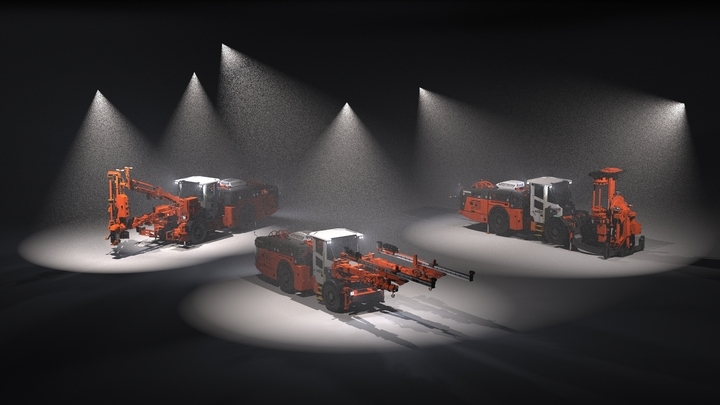
Based on her findings from conversations with about 35 different OEMs, tier one suppliers and system integrators, she says diesel electric remains the configuration of choice for manufacturers mining machines, other than wheel loaders which are turning to battery power.
Chinese OEMs are having marked greater success in terms of electrifying wheel loaders, she says, referring to a deal where XCMG will supply Fortescue Mining with 100 electric wheel loaders and up to 200 electric haul trucks.
Wheel loaders
In Europe, electrification has gained traction mainly in compact construction equipment, particularly smaller wheel loaders used in urban or regulated environments.
In China, however, larger wheel loaders above 55kW are leading adoption. This is supported by existing charging infrastructure developed for electrified mining equipment, as well as shared battery and power train platforms across machine types. The result is a more scalable and economically-viable electrification model, particularly for high-utilisation applications.
There is also a fundamental difference in product strategy, she says. "Many European OEMs continue to rely on retrofitted electric machines; adapting diesel platforms by replacing engines with batteries and electric drive trains. In contrast, Chinese OEMs are more likely to develop ground-up BEV architectures, delivering advantages in efficiency, reliability, and overall system integration."
Based on her research, Mason thinks the likes of XCMG will go for larger mining applications next. "It makes sense, wheel loaders have a shared powertrain architecture so there will be an uptake there."
Lithium supply
Since China currently dominates the lithium ion battery supply chain, it is feasible there will be an upswing in more fully electric mining machines, given the technological advances.
Indeed, Mason says that some of the Chinese-made battery-powered machines are cost comparable with their European diesel-powered equivalents, with "Chinese OEMs now marketing aggressively in Europe with broader electric portfolios than many of their Western peers."
She says Liugong has already delivered hundreds of electric machines into Europe, as well as to Australia, New Zealand, and South America. Meanwhile, XCMG has secured large-scale agreements in mining, including significant electric haul truck deployments with Fortescue.
Excavators
"If Chinese OEMs replicate their success in wheel loaders, they will seek expansion into other machine segments. Excavators seem to be a logical next step for Liugong, while XCMG targets mining, and Sany road building," she says.
However, as mining machines are often tethered to the grid, reducing onboard battery reliance, Mason believes excavators will take longer to electrify.
"Ten years from now and it could be a different picture, with a lot more electrification, especially in compact construction equipment," she says. "I think those are the applications that make sense when you think of duty cycle and charging infrastructure, especially those smaller wheel loaders. But even then, it's not going to be more than 10% of the market. When you're looking at the larger applications, like excavators, for example, they're much, much harder to electrify."