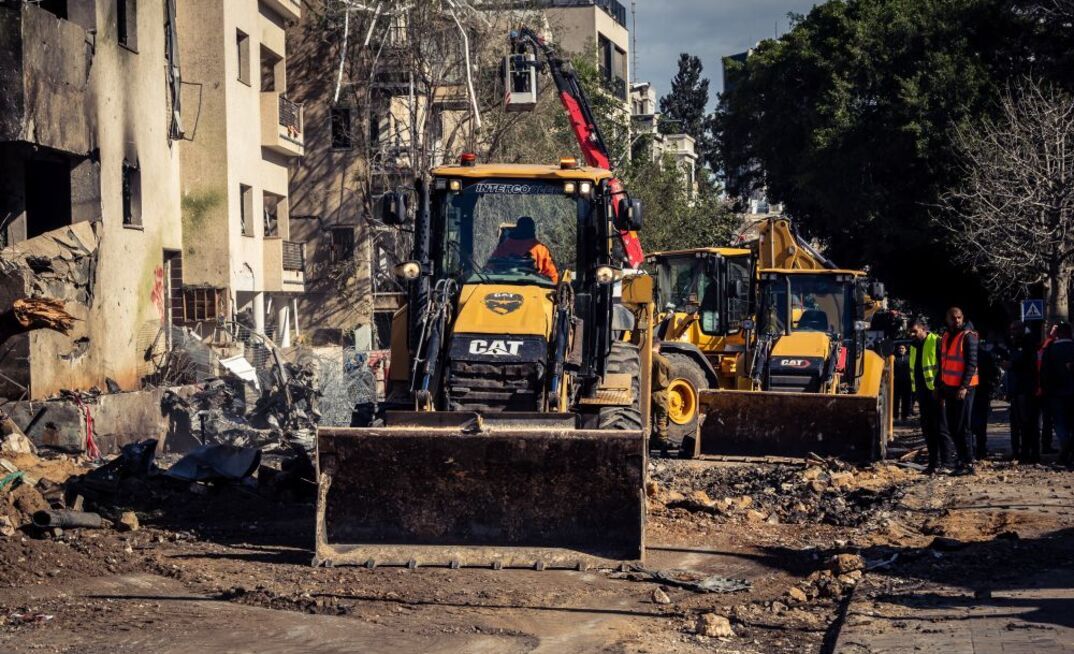


The outbreak of hostilities in the Middle East and the prospect of increased missile bombardment is unlikely to halt what is arguably one of the world's largest infrastructure projects: the 150km, three-line Metro planned for the Tel Aviv metropolitan area.
There are intense periods, but they are short, and then everything is back to normal. All the work sites have continued working over this period.
With projected costs of US$50+ billion, the 109-station metro will be the State of Israel's first ever completely underground Mass Transit System (MTS) and its largest and most complex transportation project to date.

The tunnelling and station work package alone is said to be worth $20 billion, with NTA, the government body responsible for its design and construction, saying the "massive procurement mandate offers a strategic entry point for the world's leading tunnelling firms".
Lea Shmool, NTA vice-president and directorate of Line M3, tells GDI that the project is vitally important for the economic and industrial development of the country.
"This has been in the planning for a long time, for several years now, with NTA, as a government entity, managing the project. We are now at the stage where we can actually start and facilitate all the bids, tenders and the actual works."
NTA is overseeing tunnelling of all three lines in parallel, with dual tunnelling totaling 300km. NTA is also executing two LRT lines and operating one LRT line (the Red Line) in parallel.
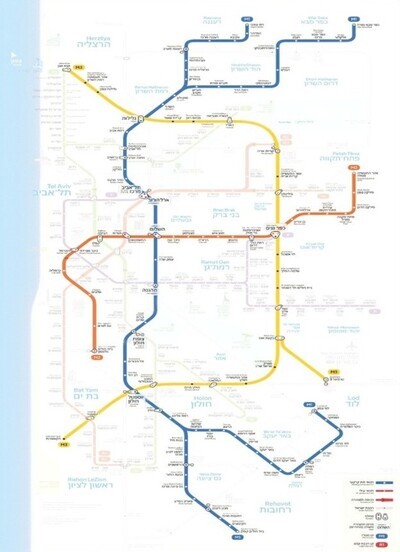
The first stage will involve 78km of twin tunnels and 59 underground stations, focusing on the core sections of the M1, M2, and M3 lines.
Along the planned Metro lines, various public transportation systems will intersect. These include the Metro, the Light Rail, the Israel Rail and busses. Seven transportation hubs will also be developed, to allow increased accessibility to the surrounding suburbs.
Foreign expertise
"It's a big project. We are heavily leaning on foreign expertise and knowledge and have encouraged those groups to participate in the bids. The first cycle of tenders will be published by the end of this year," says Shmool.
The pre-qualification stage for initial work packages – Infrastructure Packages (Infra #1), which is divided into 11 packages, including tunnel excavation and underground structural components – are set to close on the 20th of May.
While the tunnelling work will be in parallel, the metro will open to the public in stages, in three sections, with the first scheduled for 2037.
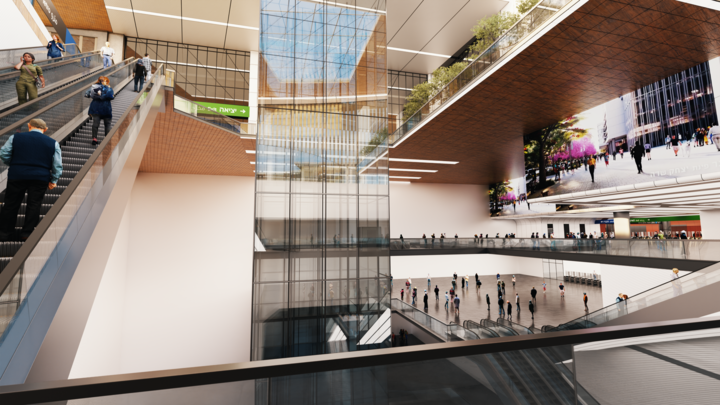
"We know how the stations will look. Everything is designed, which is quite advanced," she says, adding that some of the stations will be about 40m+ underground, while the tunnels are likely to have a 6.5m internal diameter.
When asked if the war in Iran and wider conflicts in the region will have an impact on the project's progress, Shmool says, the country as a whole and those foreign companies working in Israel have become used to the sirens as part of daily life in those periods of time.
"There are intense periods, but they are short, and then everything is back to normal. All the work sites have continued working over this period. We have shelters; it's very organised, and people know what to do when there's an alarm. The companies that work here, and we have a lot of foreign companies that work here, they're used to it and they usually stay.
"I think what's important is that this is really a huge project, a huge initiative. The whole metro industry will be developed around this project," she says.