

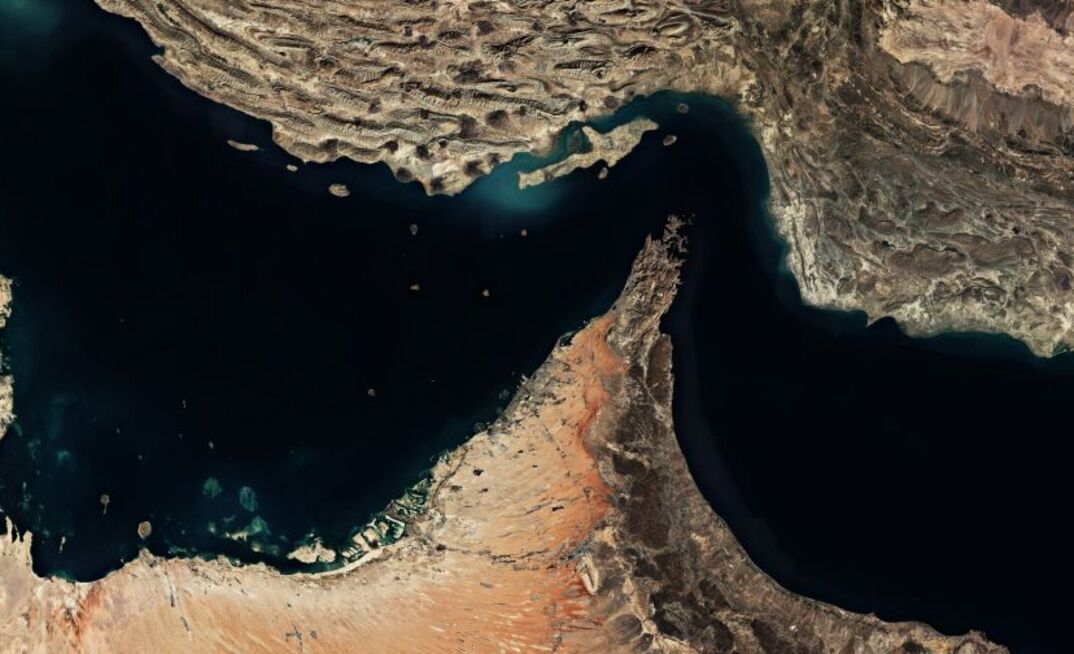


Recent estimates by the United Nations Development Programme (UNDP) indicate the military escalation in the Middle East is costing regional economies between 3.7 to 6.0 per cent of their collective Gross Domestic Product (GDP), representing a loss of US$120-194 billion and exceeding the cumulative regional GDP growth achieved in 2025.
So far, the military conflict has already led to a serious decline across a myriad of industrial segments, including the geodrilling sector. And as the Hormuz crises negatively affects economies across the Gulf and beyond, construction projects have slowed, exacerbated by supply chain issues for construction materials.
According to data provided by KAMCO Investment, a Kuwait-based asset manager, the Gulf region has registered a retracted growth in construction contracts for the past three years. The war has worsened market conditions hastening market decline.

As a rule, most of the Gulf states' import aggregates, sand and other construction materials by though the Strait. Historically, countries like Saudi Arabia and the UAE typically import millions of tons of sand annually as desert sand is unsuitable for modern construction. The UAE imported more than 6mt of sand in 2024 alone, valued at about $40.6 million.
Kingdom licenses
Anyway, the significant decline in imports, together with the associated price hikes, lend itself to the development of a domestic raw materials base, and, consequently, greater mining operations are expected across all the Gulf Cooperation Council (GCC) states.
Last year, for example, the authorities of the Kingdom of Saudi Arabia distributed more than 20 licenses for the development of major gravel and sand quarries across the country, to ensure a steady supply of domestic materials to support the country's expanding construction sector.
Most of these sites are located in the Eastern Province and the Tabuk region of the country, including Al-Masnah Crushers Complex northeast of Hafar Al-Batin and five ordinary sand quarries at the Northwest Salwa Complex. Additionally, licenses were distributed for the South Wadi Amq Complex, situated southeast of Haql in the Tabuk region and some other mines and quarries.
This initiative is part of the Kingdom's plan to develop its mining sector into a third industrial base, alongside oil and petrochemicals. It also forms part of its US$100 billion Vision 2030 strategy to invest in infrastructure projects, new roads, bridges, and residential complexes, and so on.

UEA drilling
Mining and geodrilling activities are also set to ramp up in neighbouring oil-rich UAE, with several leading players having already announced plans to expand operations.
Central Quarry & Mining (CQM), for instance, one of the major manufacturers of quarry products in the UAE and the Persian Gulf, declared a major expansion of its production capacity. The expansion project, already underway, is expected to "significantly boost" its crushing and screening output, ensuring the company can meet both existing contracts and a growing pipeline of new ones.
As Mohammed Ibrahim, customer relationship manager at Central Quarry & Mining, told GDI, the company puts big hopes on the project. "We're seeing increased demand from infrastructure and large-scale industrial clients who rely on the performance and consistency of our aggregate," he said.
Across the Gulf, in Iran, the war with the US has led to a suspension of most of the country's geodriling operations and while it is hoped that some projects will resume, much will depend on the current peace talks between the two sides.
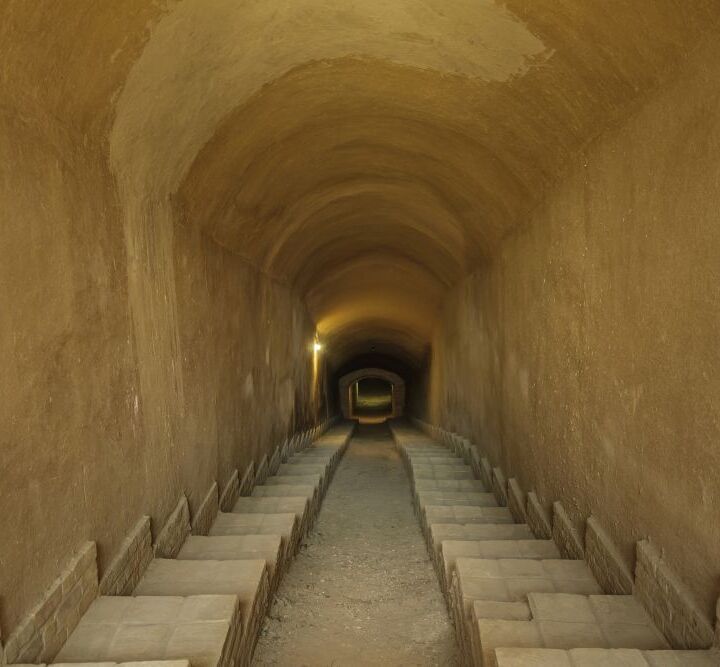
In fact, the country has a well-developed geodrilling sector although a significant part of its activities has been generally focused on serving the country's military needs. For example, the country is known for its well-developed tunnelling, which has been ongoing for several decades. But details of these projects are not disclosed due to military sensitivity.
Prior to the war, though, Iran had been focused on the development of the country's rich minerals' base, particularly material required for critical construction works. Still, the development was compounded by the lack of development and availability of technologies due to the strict sanctions imposed by the West.
Farshid Shakerkhodaei, head of the Investment and Financing Commission of the Iranian Chamber of Commerce, Industries, Mines and Agriculture, said that Iran has 4% of the world's mineral reserves and is considered as one of the world's most minerally-rich countries. However, development faces serious problems.
"The issue of mining investments is not only in new areas, but we need a large amount of investment to increase productivity and improve the performance of existing mines, modernise machinery and upgrade equipment."
Equipment limitations
Despite the country's huge potential, the lack of machinery and equipment, and access to financial resources has seen Iran struggle to operate at capacity. Nevertheless, the Iranian Ministry aims to implement an exploration programme which involves the development of new deposits in 500,000km2 mineral zone, which, despite the war remains of interest to international mining companies and equipment providers.
One of these is Epiroc. Ola Kinander (pictured), an official spokesperson for the company told GDI that the company continues its operations in the Middle East (and Africa) which combined represented 16% of the company's global revenues in 2025.
"So far this year we have continued to focus on providing our customers in the region with our latest technologies and aftermarket services," he said, although much will depend on the duration of the conflict. If the conflict drags on, it is likely to have a negative effect on mining operations in the region, partly because of safety concerns, and partly because of factors such as escalating diesel prices which are making mining operations more expensive."
Employee safety
Fugro is another company maintaining operations in the theatre of war, although its main priority is now the safety of its workers. Company spokesperson Gijs Toxopeus commented: "The safety and well-being of our people in the region remain our highest priority. We are in close contact with all colleagues, who continue to follow guidance from local authorities."
Fugro has "proactively relocated assets" across the region and continues to monitor developments closely. "We are prepared to adapt as circumstances change, while actively engaging with our clients and partners across the region to ensure alignment and readiness," Toxopeus said.
"Our teams are updating scenario plans continuously so we can take timely and appropriate measures when required, with the intention of resuming normal business activities as soon as conditions allow."













