

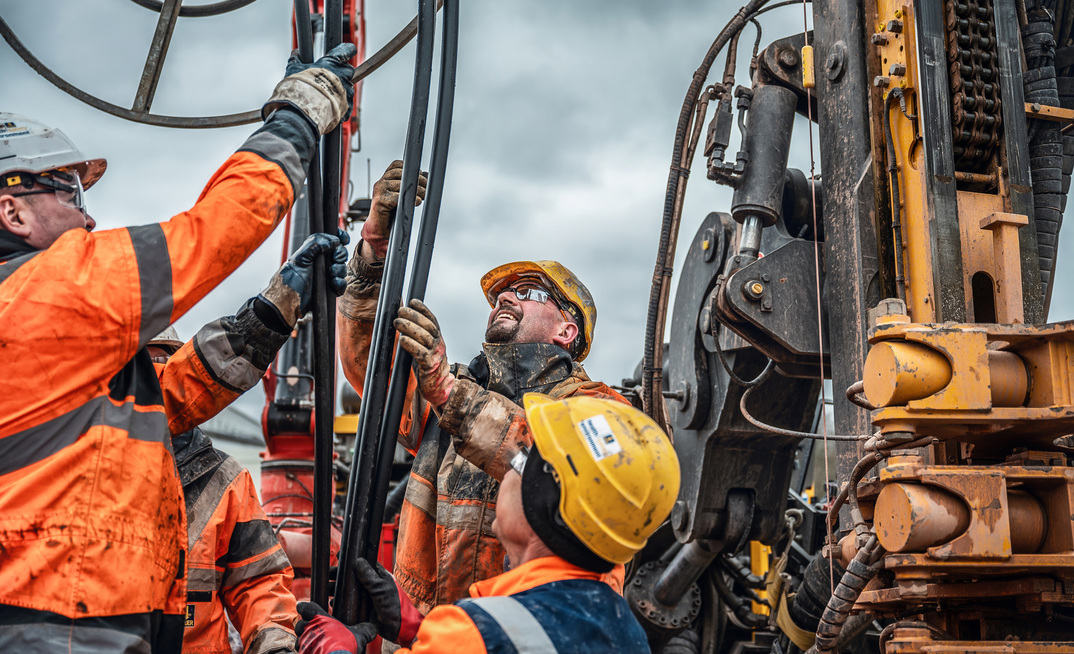


With talent becoming ever harder to find, and education and training for the sector in decline, the industry is facing a "growing shortage of specialised drilling skill. The challenge is becoming increasingly visible as experienced drillers, supervisors, and technical personnel retire faster than they can be replaced," says Tony Harwood, CEO of Montero Mining, a gold and copper miner in Chile.
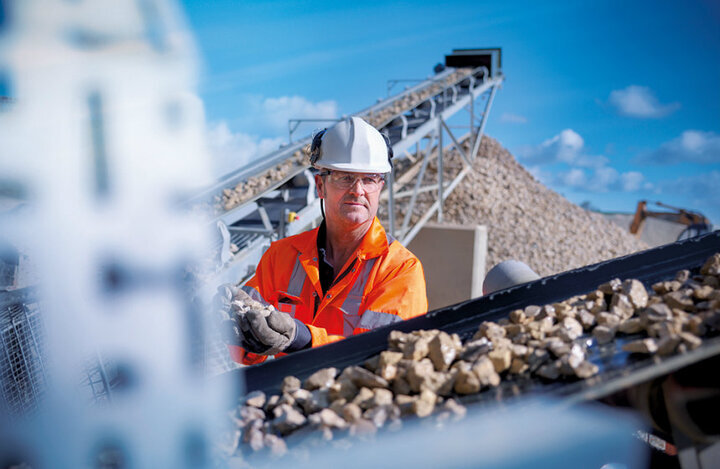
The crisis is global. A McKinsey survey in 2023 found a drop of 63% in mining engineering enrolments in Australia since 2014, and a 39% fall in mining graduations in the US since 2016. The survey found 71% of mining leaders believed a shortage of talent was holding them back, and 86% said it was harder to recruit than two years before. The problem is compounded by the long-term trend towards junior miners, rather than majors, undertaking more high-risk exploration work. Mining majors can pay more, leaving the juniors struggling to attract talent for outsourced activity.
The UK has lost ground. In Cornwall, the Camborne School of Mines, part of the University of Exeter, resumed mining engineering degrees in 2025 after a five-year gap due to low applicant numbers. That followed closures of similar courses at Leeds, Nottingham and the Royal School of Mines in London.
The demographics of an ageing workforce increase the pressure. The Mining Industry Human Resources (MIHR) Council in Ottawa found that in 2022, about one in five mining workers in Canada was over the age of 55. But mining technologies accounted for only 2% of all engineering technologist programs, way behind computer engineering technicians on 19%. The MIHR said the country's mining education programmes are "small, shrinking and unresponsive to labour demand."
YOU MIGHT ALSO LIKE

Drilling, Harwood says, combines technical knowledge, operational discipline, safety management, geology, and increasingly sophisticated technology. "Historically, much of this expertise was developed through apprenticeships, hands-on field mentoring, and dedicated mining or technical colleges. Many of these pathways have weakened or disappeared."
The problem, Harwood says, is most acute in remote jurisdictions and emerging mining regions, where demand for drilling often exceeds the available skilled workforce. Younger generations are often less attracted to careers involving remote fieldwork and rotational camp-based lifestyles. The industry is competing with construction, infrastructure, and energy sectors for many of the same technical skills, he adds.
Learning on the job
Plans by President Trump to revive US mining need to address skills shortages as "miners are short of bodies", says mining veteran Peter Major. "There is no collective memory of how to mine."
Major was born in 1961 in Kellogg, Idaho, then known as the silver mine capital of the world. He dropped out of high school in 1973 to start working in mining. After a series of jobs, he only did a degree because his employer told him he needed to if he wanted to progress. Major graduated from the Montana School of Mines in 1981 and went to South Africa in 1982 to work for Harmony Gold Mine. He stayed in mining until 1989 when he became a gold mine analyst with Allan Gray, before moving into fund management.
The Montana school, along with Colorado, is still going strong now. But there's now a lack of training in Idaho, says Major, speaking from Kellogg. Some of the deposits can't be mined by machines, and companies don't train on the job as much as they used to. He expects miners to return full circle to the 1970s and teach on the job. "They are so desperate they will do it themselves. The best place to get training is on the job."
South Africa
In South Africa, Major says, the African National Congress (ANC) damaged mining education by closing down colleges in the years following the end of apartheid in 1994, a move he calls "devastating." He sees a wider tendency to short-term thinking in other African countries.

A barrier in South Africa, he says, is the government's Black Economic Empowerment (BEE) programme designed to enhance black participation in the economy. The compulsory contributions that mining companies make to the Sector Education and Training Authorities (SETAs) leaves them unwilling to spend again on their own training programmes, he argues.
Hethen Hira, head of investor relations at Pan African Resources in South Africa, doesn't agree that local education and training have declined. If there are successful drilling companies there will always be opportunities for education and training to meet demand, he says. Established drilling companies will always train their employees, especially for handling increasingly mechanized drill rigs, he says.

Still, Hira says, there has been a decline in interest in pursuing drilling careers in South Africa and the UK. People in both countries want careers that do not require manual labour and operating in difficult conditions, he says, and in South Africa, improved access to overall education has widened the options for some. Still, Pan African Resources, he says, does have difficulty in finding people with the right drilling skills.
The way forward
Hira says that less developed countries with high mineral potential have the chance to become the education and training hubs of the future. Major sees the Democratic Republic of Congo and Ghana as having potential. Finland, Major says, is "state of the art" in terms of education and training, with Sweden not far behind.
The way forward, Hira says, is better incentives to attract talent to harsher working environments and increased mechanization so that roles are less physically demanding and seen as skilled positions. Harwood points to emerging training hubs in Chile, Peru, Canada and Australia. Still, he argues, "rebuilding long-term capacity will require more than simply moving skilled labour from one jurisdiction to another. It will need deliberate investment in local capability."
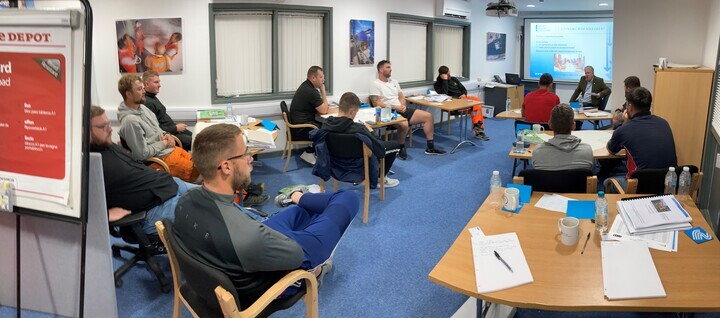
The industry, he says, needs a renewed focus on structured apprenticeship programmes, stronger partnerships between mining companies, drilling contractors, and technical institutions, and greater investment in practical field training.
There is also a "clear opportunity" to modernise drilling education by integrating digital technologies, automation, environmental management, and data analytics into training programmes, Harwood says. "Without sustained investment in training the next generation, the industry risks a widening skills gap that could eventually constrain exploration activity, increase operation risk and delay project development globally."













