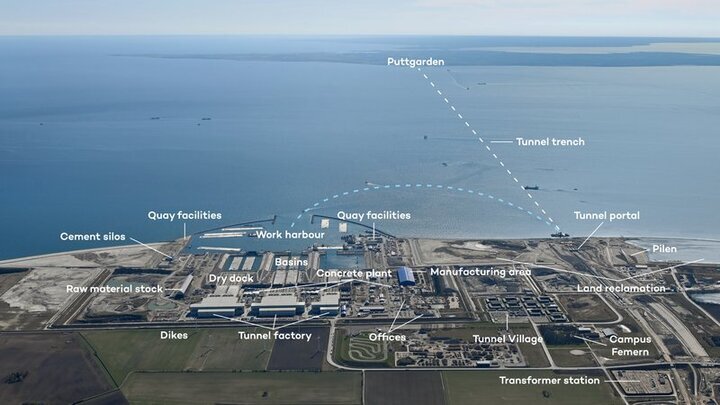


Marine infrastructure specialist Sund & Bælt is preparing a revised plan for opening the world's longest immersed tunnel, as construction on the Danish side of the Fehmarnbelt road and rail link has fallen two years behind schedule.
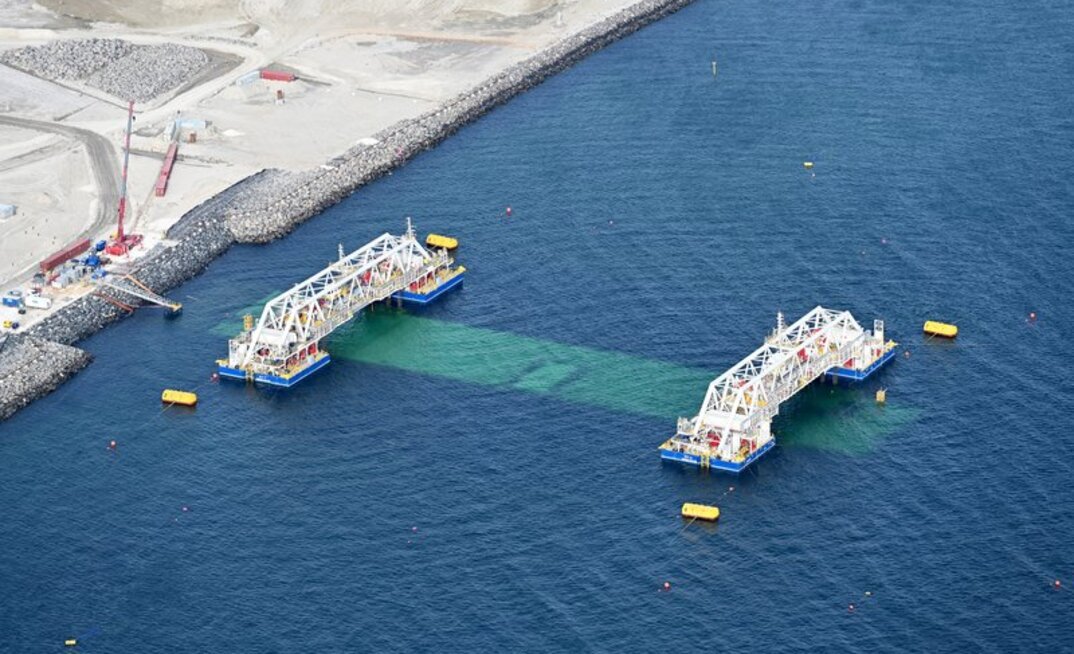
Because of difficulties involving a specialised vessel used to place the tunnel sections on the Baltic Sea floor, the project will now be launched in stages. The road link will open first, with the railway schedule to follow later, once the required infrastructure on the German side is complete.
Mikkel Hemmingsen, CEO of Sund & Bælt, said the delay to the rail opening is disappointing for both climate goals and passengers. However, he noted that a phased approach will allow road traffic to start using the tunnel sooner and will simplify the final phase of construction.
In July 2025, Germany's Federal Ministry of Transport stated that the rail facilities on its side would not be ready by 2029 as originally planned. This delay is largely due to complicated and time-consuming approval and permit processes.
Additional complications arise from strict conditions set by German authorities, including limits on underwater noise and restrictions on where and when work can take place in German waters. These constraints make it difficult to make up lost time and could cause further delays.
A new timeline will be announced once the first tunnel sections have been immersed, based on experience gained during that process and on how the project manages the regulatory conditions imposed by Germany.
Early last month, the first of 89 concrete tunnel elements was lowered into place on the seabed. Each 217m long section weighs more than 73,50t and will be divided into five tubes – two for the future motorway, two for the railway and one for technical installations.
Over coming years, these individual sections will be immersed and connected in an excavated trench in the seabed up to 40m below the sea surface.
When complete, the 18km Fehmarnbelt Fixed Link will be the world's longest immersed tunnel. It will be possible to cross the Fehmarnbelt in 10 minutes by car and 7 minutes by train. Rail connections will reduce the journey time between Copenhagen and Hamburg to just 2.5 hours.